
The Future of Drones in Film Production: Transforming Cinematic Storytelling


The film industry is constantly evolving, and one of the most exciting developments in recent years is the integration of drones into film production. These versatile flying cameras are transforming cinematic storytelling by offering new perspectives and opportunities for creativity.
Revolutionizing Aerial Shots
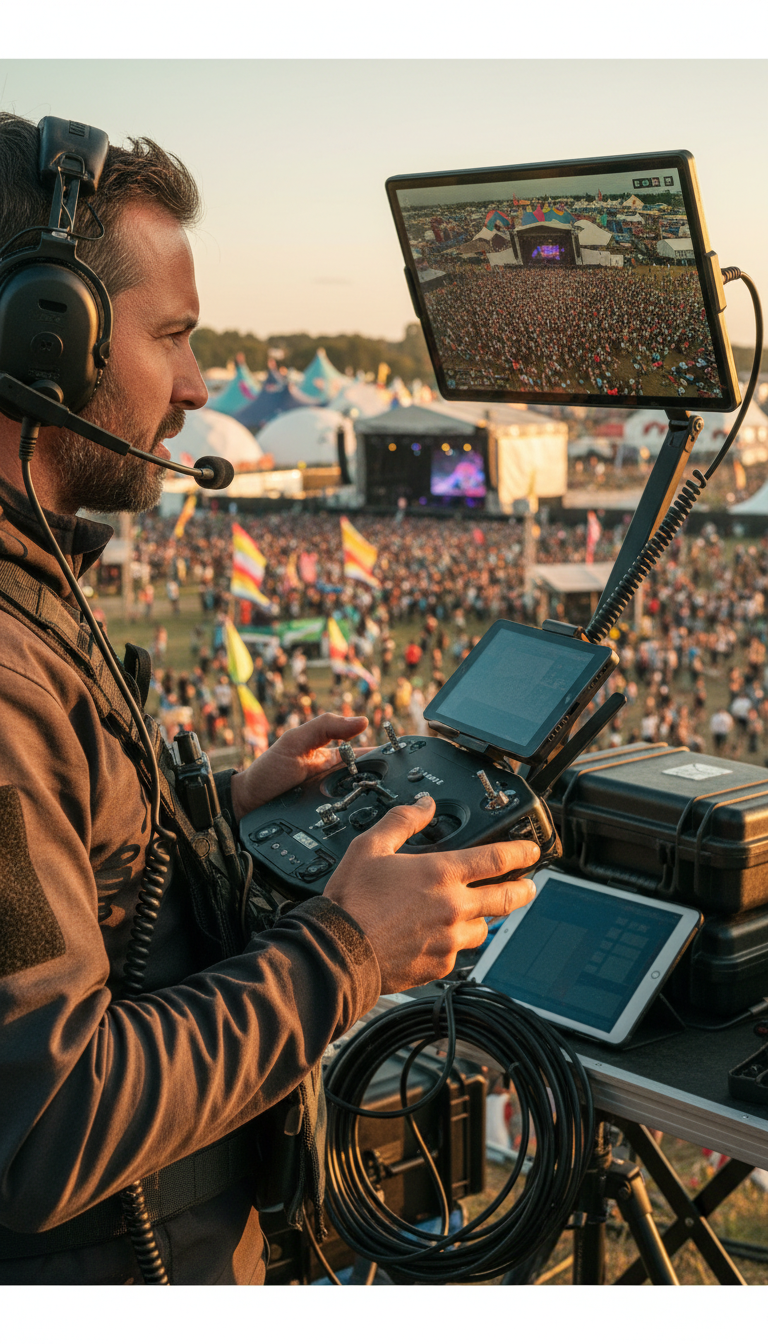
Drones have revolutionized the way filmmakers capture aerial shots. In the past, achieving such shots required helicopters or cranes, which were costly and logistically challenging. Now, drones provide an affordable and flexible solution, allowing filmmakers to capture stunning visuals from previously unreachable angles.
The ability to maneuver through tight spaces and hover at low altitudes gives filmmakers unprecedented control over their shots. This flexibility enables the creation of dynamic sequences that enhance the narrative and immerse viewers in the story.
Cost-Effective Production
One of the major advantages of using drones in film production is cost savings. Traditional methods of capturing aerial footage were not only expensive but also time-consuming. Drones reduce these costs significantly, making high-quality aerial cinematography accessible to independent filmmakers and small production companies.
Enhancing Storytelling with Unique Perspectives
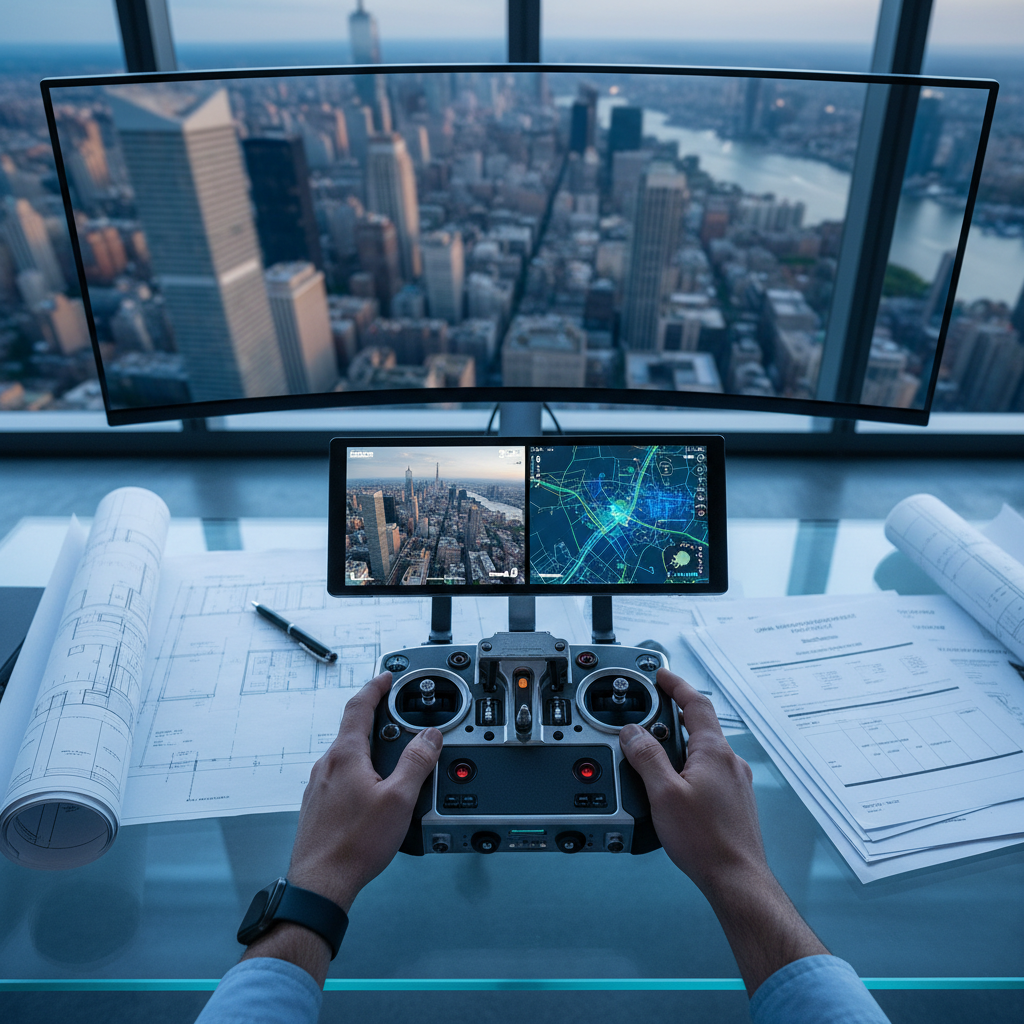
Drones allow filmmakers to explore unique visual perspectives that were previously impossible. By integrating aerial shots into narrative storytelling, directors can create more engaging and visually captivating films. These perspectives can convey the vastness of landscapes, the intimacy of a character-driven scene, or the chaos of an action sequence.
Moreover, drones can seamlessly transition between different altitudes and angles, offering creative possibilities for storytelling that traditional equipment cannot match.
Real-Time Monitoring and Adjustments
Another significant benefit of drone technology is the ability to monitor footage in real time. Filmmakers can make immediate adjustments to angles and movements, ensuring that the desired shot is captured. This capability streamlines the production process and reduces the need for reshoots, saving both time and resources.

Challenges and Considerations
While drones offer numerous benefits, there are also challenges to consider. Filmmakers must navigate regulatory restrictions and obtain necessary permits to fly drones legally. Additionally, weather conditions can affect drone operations, requiring careful planning and contingencies.
Technical expertise is also essential, as operators must be skilled in piloting drones and managing their advanced camera systems. Ensuring safety on set is paramount, as drones can pose risks if not handled properly.
The Future of Drones in Film
The future of drones in film production looks promising. As technology advances, we can expect drones to become even more sophisticated, with improved stability, longer flight times, and enhanced camera capabilities. These innovations will further expand the creative possibilities for filmmakers.
Integrating drones into film production not only enhances the visual storytelling experience but also democratizes the industry, allowing creators of all levels to access high-quality production tools. As drones continue to evolve, they will undoubtedly play a crucial role in shaping the future of cinema.