
The Art of Capturing Heritage Sites: Drone Videography Tips


Introduction to Drone Videography for Heritage Sites
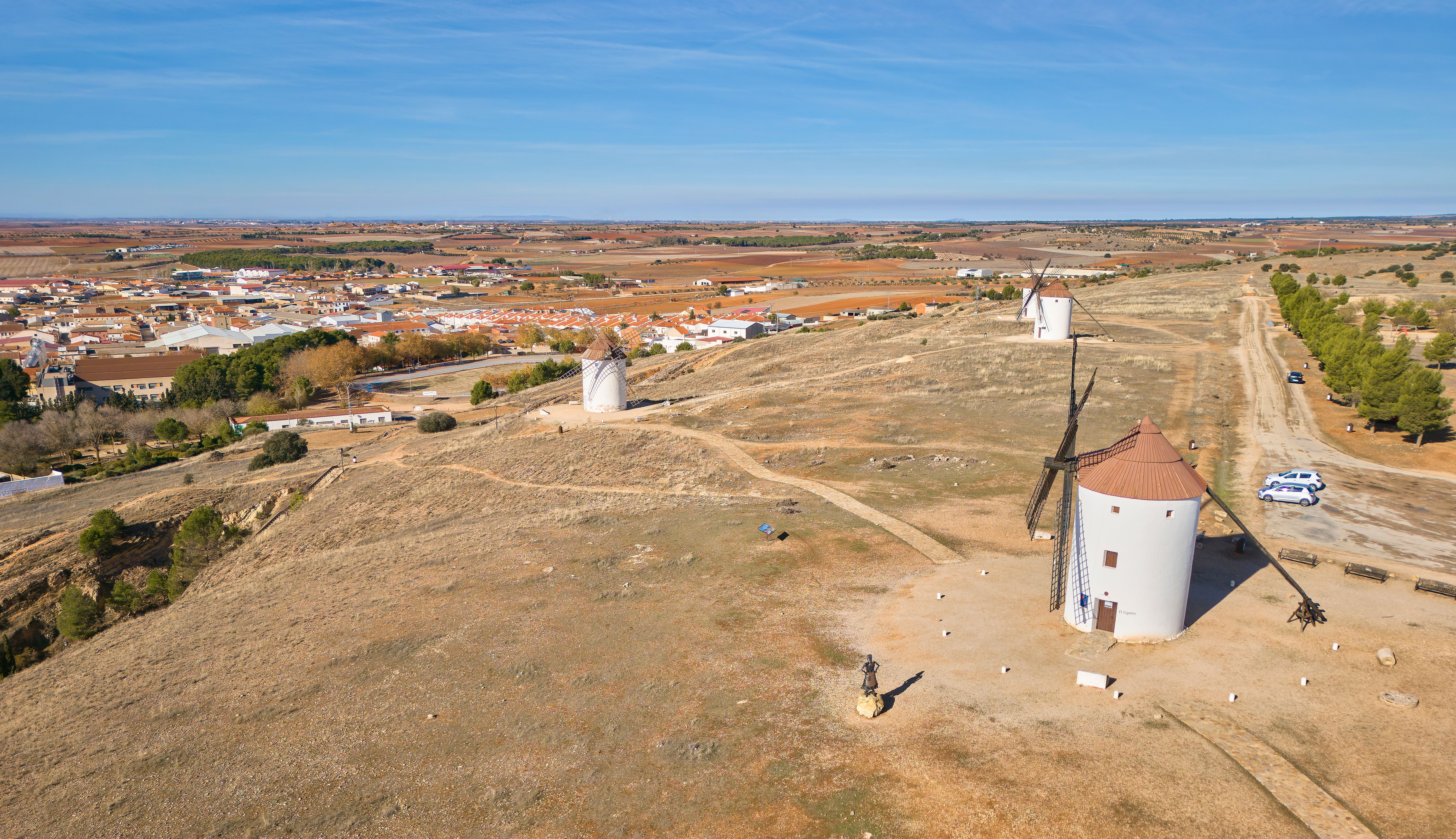
Capturing heritage sites through drone videography is an exciting way to document and share the beauty of historical landmarks. Drones provide unique perspectives that are impossible to achieve with traditional photography, offering aerial views that bring out the grandeur of these sites. To ensure you capture stunning footage, here are some essential tips to consider.
Understanding Regulations and Permissions
Before launching your drone, it's crucial to research and understand the regulations governing drone flights in the area you plan to film. Many heritage sites have restrictions to protect their integrity and privacy. Always check for any required permits and respect no-fly zones. This will help you avoid legal issues and ensure the safety of the site and visitors.
Moreover, some countries have strict drone laws that require registration and pilot certification. Make sure you're compliant with all local regulations to avoid fines and confiscation of your equipment.
Choosing the Right Equipment
Selecting the appropriate drone is vital for capturing high-quality footage. Look for drones equipped with high-resolution cameras and gimbal stabilization to ensure smooth and clear shots. Features like GPS and obstacle detection can also enhance your filming experience by providing stability and safety.
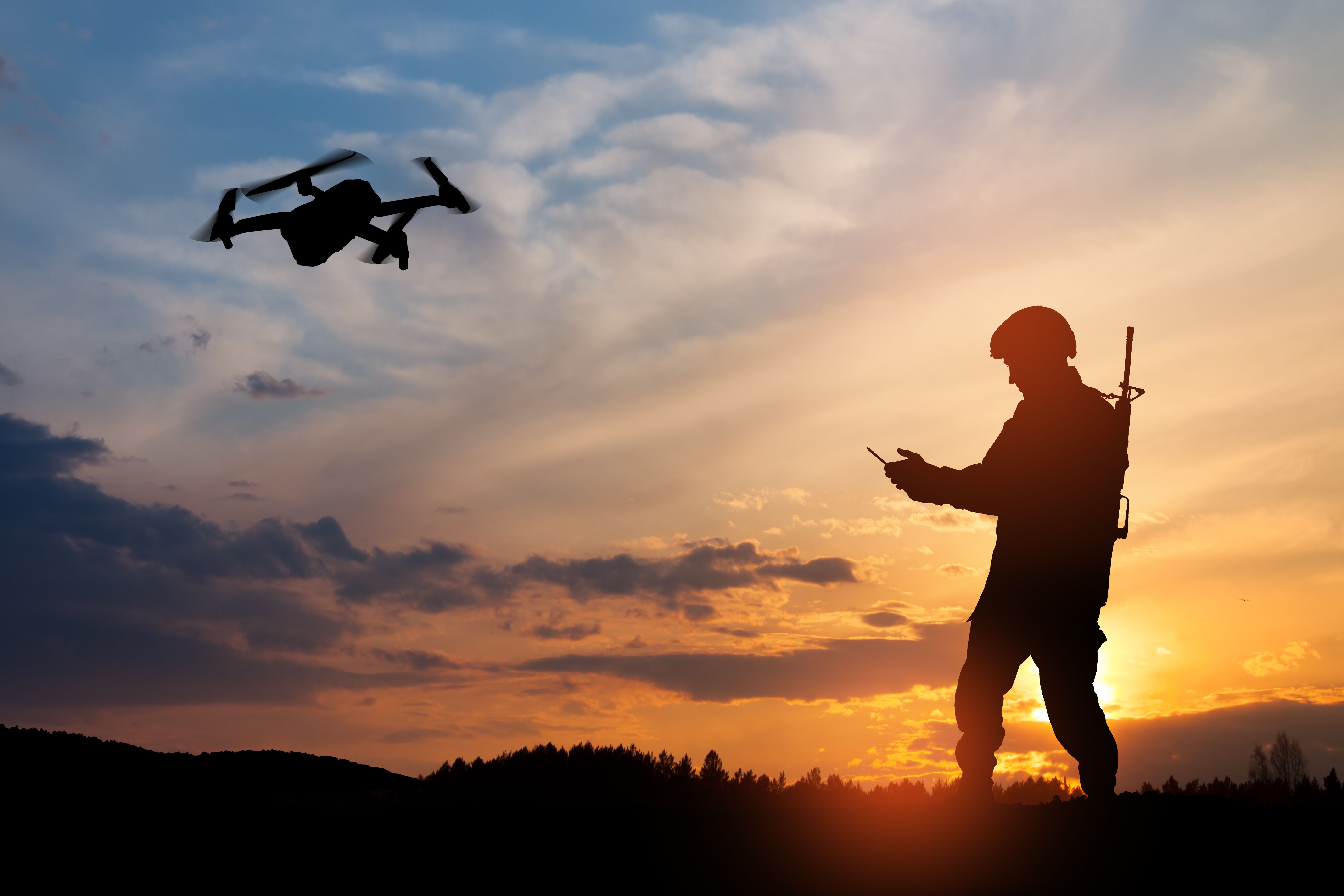
Additionally, consider the size and battery life of your drone. Smaller drones are more portable and less intrusive, making them ideal for sensitive sites. Long battery life will allow you to capture more footage without frequent interruptions.
Planning Your Shots
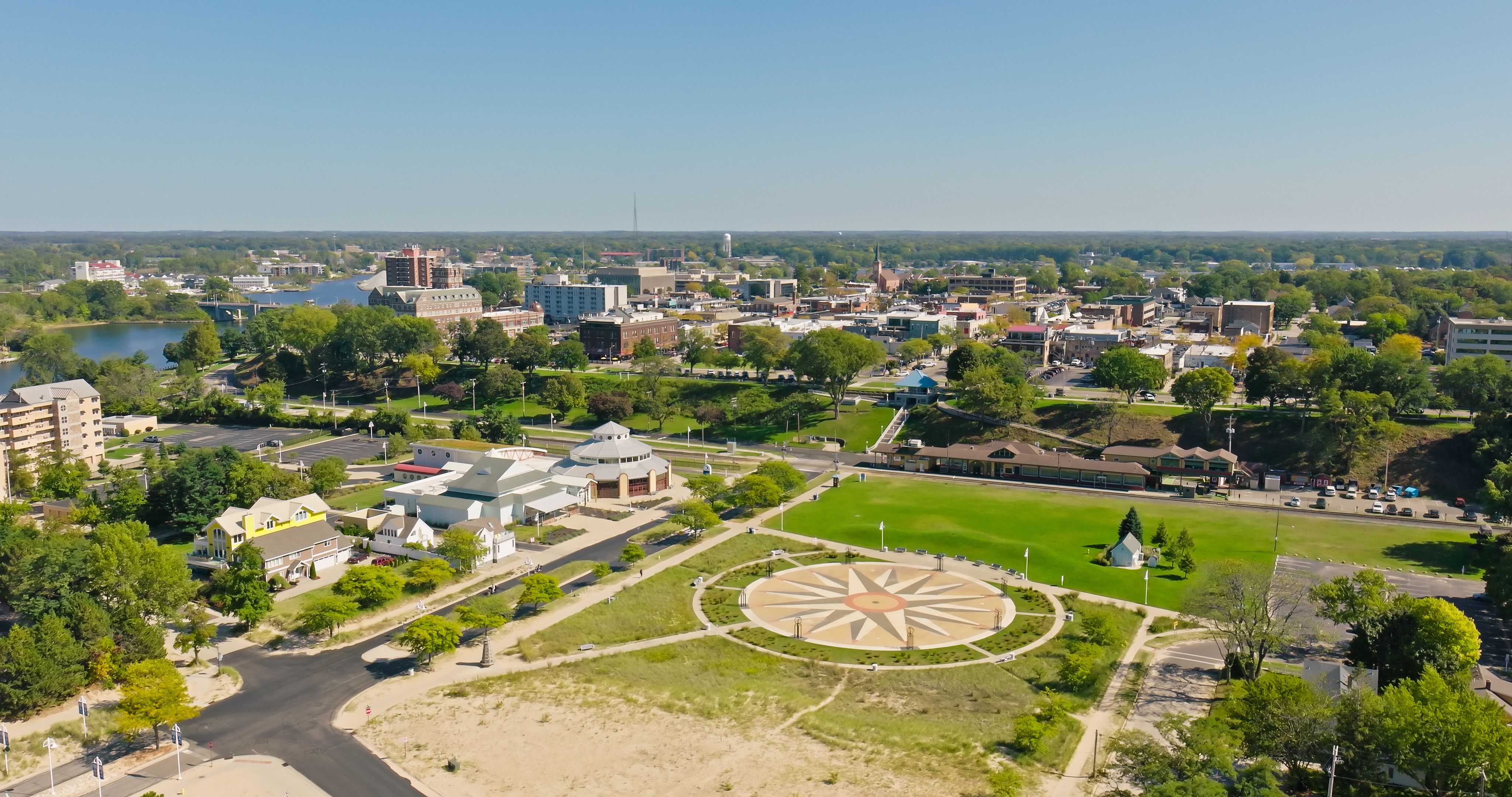
Effective planning is key to successful drone videography. Scout the location beforehand and map out your flight path. Consider the time of day and lighting conditions to capture the site in its best light. Early morning or late afternoon often provides softer, more dramatic lighting.
- Identify key features you want to highlight.
- Plan different angles and movements to create a dynamic video.
- Consider the weather, as wind can affect stability and safety.
Mastering Drone Techniques
Developing your piloting skills will greatly impact the quality of your footage. Practice smooth and controlled movements, such as pans, tilts, and orbits. These techniques will add cinematic quality to your videos, making them more engaging and professional.
Additionally, experiment with different camera settings, like frame rates and resolutions, to find the best combination for your project. Higher frame rates can provide smoother slow-motion footage, while different resolutions can enhance detail.
Post-Production Tips
After capturing your footage, post-production is where you can truly bring your vision to life. Use editing software to enhance colors, stabilize shots, and add music or narration. Editing allows you to tell a compelling story and highlight the cultural significance of the heritage site.
Consider creating a narrative that guides the viewer through the site, emphasizing its historical importance and beauty. This approach can make your video more impactful and memorable.
Conclusion
Drone videography offers a unique way to capture and preserve the essence of heritage sites. By following these tips, you can create breathtaking videos that celebrate the architecture, history, and cultural significance of these landmarks. Always remember to respect regulations and the integrity of the sites, ensuring they remain protected for future generations to enjoy.