
The Art of Aerial Videography: Capturing Scotland's Majestic Heritage Sites


Scotland is renowned for its breathtaking landscapes, ancient castles, and rich history. Capturing these magnificent sites from the sky offers a unique perspective that elevates storytelling to new heights. The art of aerial videography allows viewers to experience Scotland's majestic heritage in a way that is both captivating and immersive.

The Rise of Aerial Videography
With the advent of drone technology, aerial videography has become more accessible, allowing filmmakers and hobbyists alike to explore new creative possibilities. Drones equipped with high-resolution cameras can effortlessly glide over rugged terrains and historical landmarks, providing a bird's-eye view of Scotland's iconic locations.
The ability to capture sweeping vistas and intricate details from above has revolutionized the way we document heritage sites. Aerial footage not only showcases the grandeur of these locations but also reveals their context within the broader landscape.
Key Techniques in Aerial Videography
Mastering aerial videography requires a combination of technical skills and artistic vision. Here are some essential techniques to consider:
- Planning and Scouting: Research the location and weather conditions to ensure optimal shooting conditions.
- Composition: Consider the rule of thirds and leading lines to create visually compelling shots.
- Camera Movement: Use smooth, controlled movements to add dynamism without causing viewer discomfort.
Exploring Scotland's Heritage Sites
Scotland's heritage sites, such as Edinburgh Castle, the Standing Stones of Stenness, and the historic Stirling Bridge, offer endless opportunities for aerial videography. Each location has its own story, and capturing it from above can reveal nuances that ground-level shots might miss.
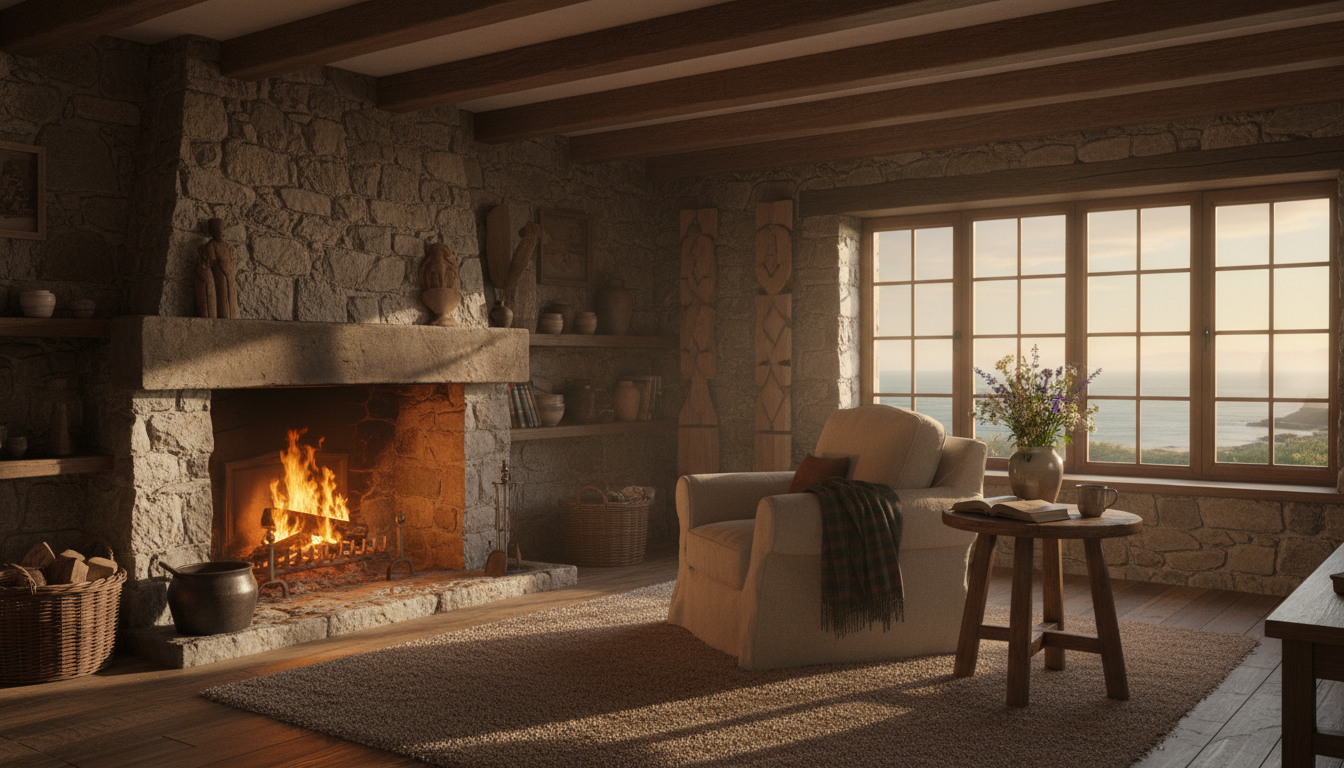
For instance, the intricate layout of Edinburgh Castle becomes more apparent when viewed from the sky, highlighting its strategic position and architectural prowess. The Standing Stones of Stenness, on the other hand, take on an otherworldly quality when captured with the surrounding landscape.
Challenges and Considerations
While aerial videography offers exciting possibilities, it also presents unique challenges. Navigating weather conditions, ensuring safety, and adhering to regulations are all critical aspects of successful aerial shoots. Scotland's unpredictable weather can be both a challenge and an opportunity, offering dramatic skies that enhance the visual appeal.
It's also crucial to respect the privacy and sanctity of heritage sites. Filmmakers must ensure their activities do not disturb the environment or the experience of visitors.
The Impact of Aerial Videography on Heritage Preservation
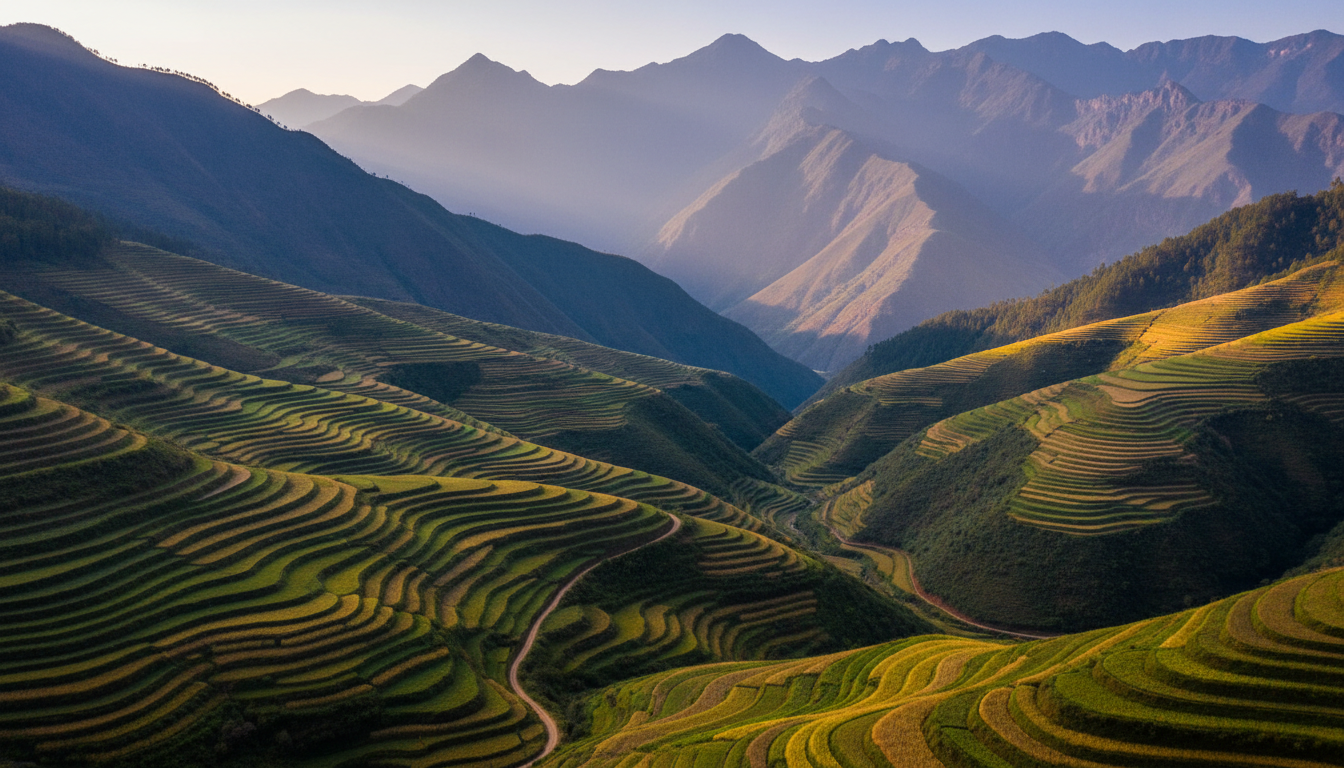
Aerial videography plays a significant role in heritage preservation by creating compelling visual records of historical sites. These records can be used for educational purposes, tourism promotion, and even in restoration efforts. By capturing these sites in their current state, aerial videography helps preserve their legacy for future generations.
Moreover, sharing aerial footage through social media and digital platforms raises awareness and appreciation for Scotland's rich heritage, drawing attention to the importance of conservation efforts.
Conclusion
The art of aerial videography offers a transformative way to experience and preserve Scotland's majestic heritage sites. By combining technology with creativity, filmmakers can create stunning visual narratives that captivate audiences and honor the history and beauty of these extraordinary locations.