
Innovative Uses of Drones in Heritage Conservation Across Scotland


Introduction to Drones in Heritage Conservation
In recent years, drones have emerged as a revolutionary tool in the field of heritage conservation. Across Scotland, these flying marvels are not only capturing breathtaking aerial views but are also playing a crucial role in preserving the nation’s rich history. From monitoring ancient ruins to assisting in detailed architectural analysis, drones offer a unique perspective that was previously unattainable.
Mapping and Documentation
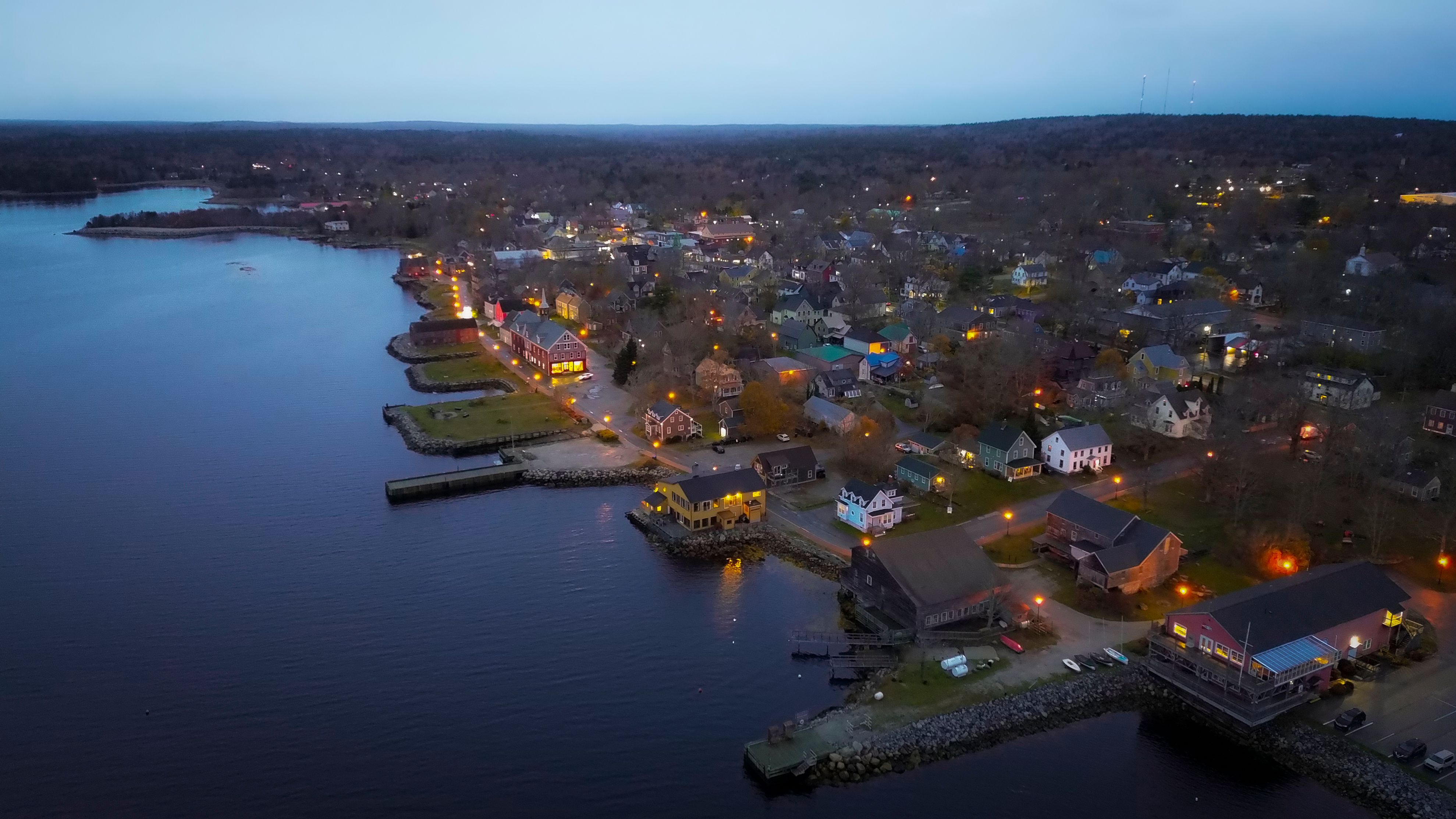
One of the primary applications of drones in heritage conservation is detailed mapping and documentation. Traditional methods of surveying historic sites can be time-consuming and expensive. However, with drones, experts can capture high-resolution images and create 3D models of structures in a fraction of the time. This technology allows for precise documentation, which is essential in the event of restoration efforts or natural disasters.
These detailed maps and models not only aid in conservation efforts but also help historians and archaeologists understand the historical significance of these sites. By providing a bird’s-eye view, drones reveal patterns and structures that may not be visible from the ground.
Monitoring and Maintenance
Drones are also invaluable for ongoing monitoring and maintenance of heritage sites. Regular drone flights can detect changes in the environment or structural integrity that might indicate damage or deterioration. This proactive approach allows conservationists to address potential issues before they become significant problems.
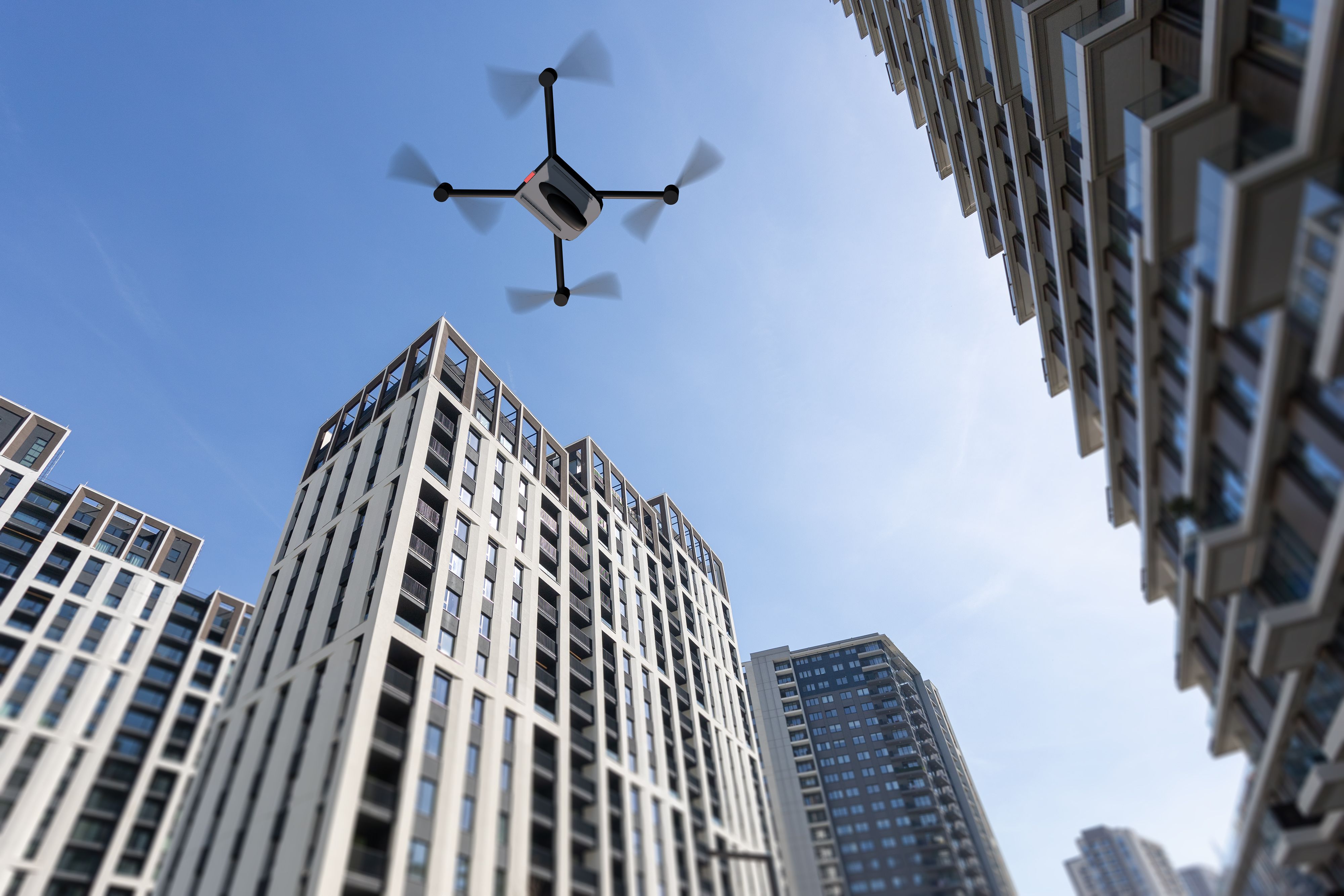
Moreover, drones can access hard-to-reach areas, such as rooftops and tall towers, reducing the need for scaffolding and other invasive inspection methods. This not only saves time and money but also minimizes the risk of damaging delicate structures.
Enhancing Public Engagement
Beyond conservation, drones are enhancing public engagement with Scotland’s heritage. By capturing stunning aerial footage, drones allow people from around the world to experience the beauty and historical significance of these sites. Virtual tours and online platforms can bring Scotland's heritage to a global audience, fostering a greater appreciation and understanding of its history.
Educational institutions and tourism boards are leveraging drone footage to create immersive experiences that transport viewers back in time, offering a glimpse into the past like never before.

Challenges and Future Prospects
Despite the numerous benefits, the use of drones in heritage conservation is not without challenges. Regulatory restrictions, privacy concerns, and the need for skilled operators can pose obstacles. However, as technology advances and regulations evolve, the potential for drones in this field is immense.
Looking ahead, the integration of artificial intelligence and machine learning with drone technology promises even more sophisticated conservation methods. These advancements could further revolutionize how we protect and preserve our shared heritage.
Conclusion
In conclusion, drones are proving to be an indispensable tool in the preservation of Scotland's heritage. By offering innovative solutions for mapping, monitoring, and public engagement, they are helping to ensure that the country’s rich history is safeguarded for future generations. As technology continues to evolve, the possibilities for drones in heritage conservation are boundless, opening new horizons in the preservation of our past.