
Essential Tips for Effective Aerial Videography in Challenging Weather


Understanding Weather Challenges
When it comes to aerial videography, weather plays a crucial role in both the safety and quality of your footage. Challenging weather conditions can include high winds, rain, fog, or extreme temperatures. Each of these factors can impact your drone's stability and the clarity of your video. Understanding how to navigate these challenges is essential for any aerial videographer.
Preparing Your Equipment
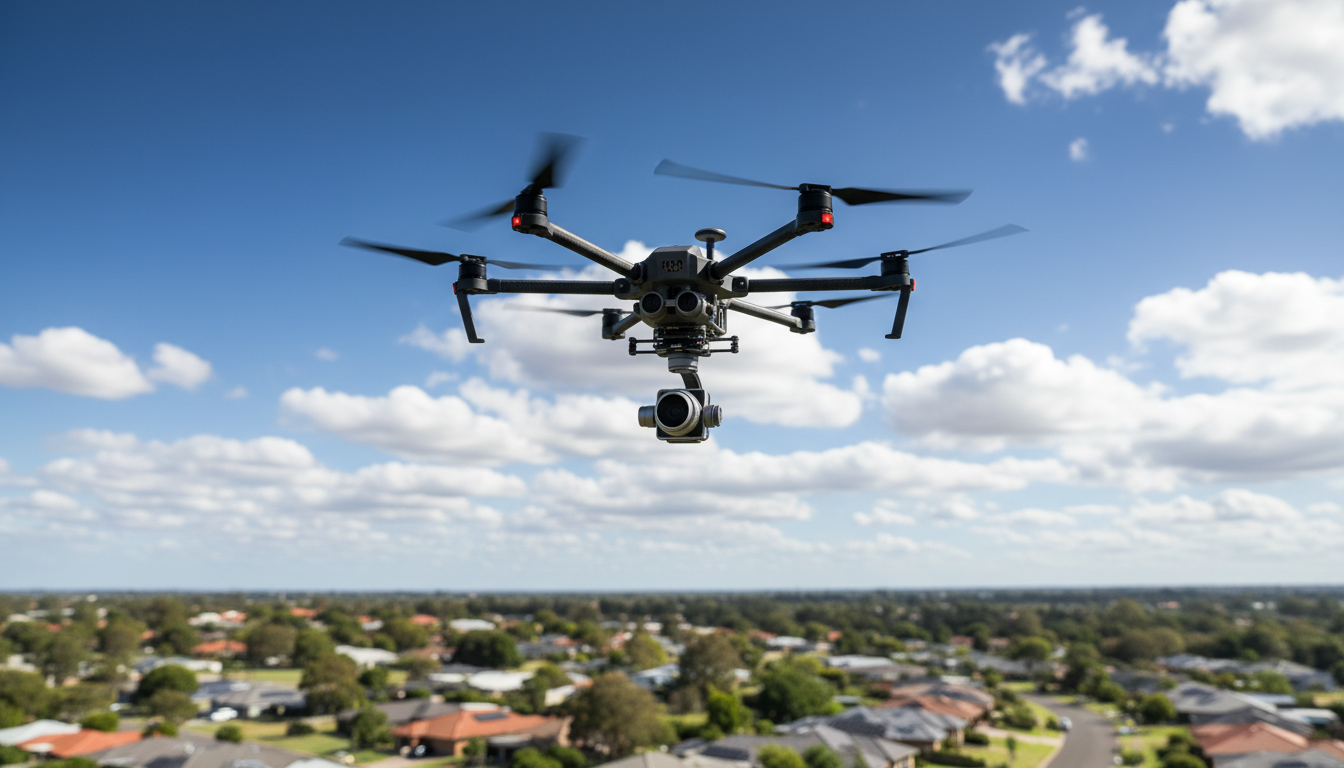
Before heading out, ensure that your equipment is ready to handle adverse weather conditions. Check that your drone is rated for the weather you're expecting. Some drones are specifically built to withstand wind and rain, while others are not. Always carry extra batteries, as cold weather can drain them faster. Additionally, protective gear such as lens covers can help shield your camera from water droplets.
Weatherproofing Tips
To further protect your equipment, consider using weatherproof bags and cases. These can safeguard your drone and accessories during transport. Also, keeping silica gel packets in your drone case can help absorb moisture, preventing internal damage to your electronics.
Monitoring Weather Conditions
Stay informed about the weather by using reliable apps and websites. Monitoring conditions in real-time can help you make quick decisions about whether to continue shooting or to pause until it's safer. Pay particular attention to wind speeds, as high winds can make flying dangerous.
Understanding Wind Speeds
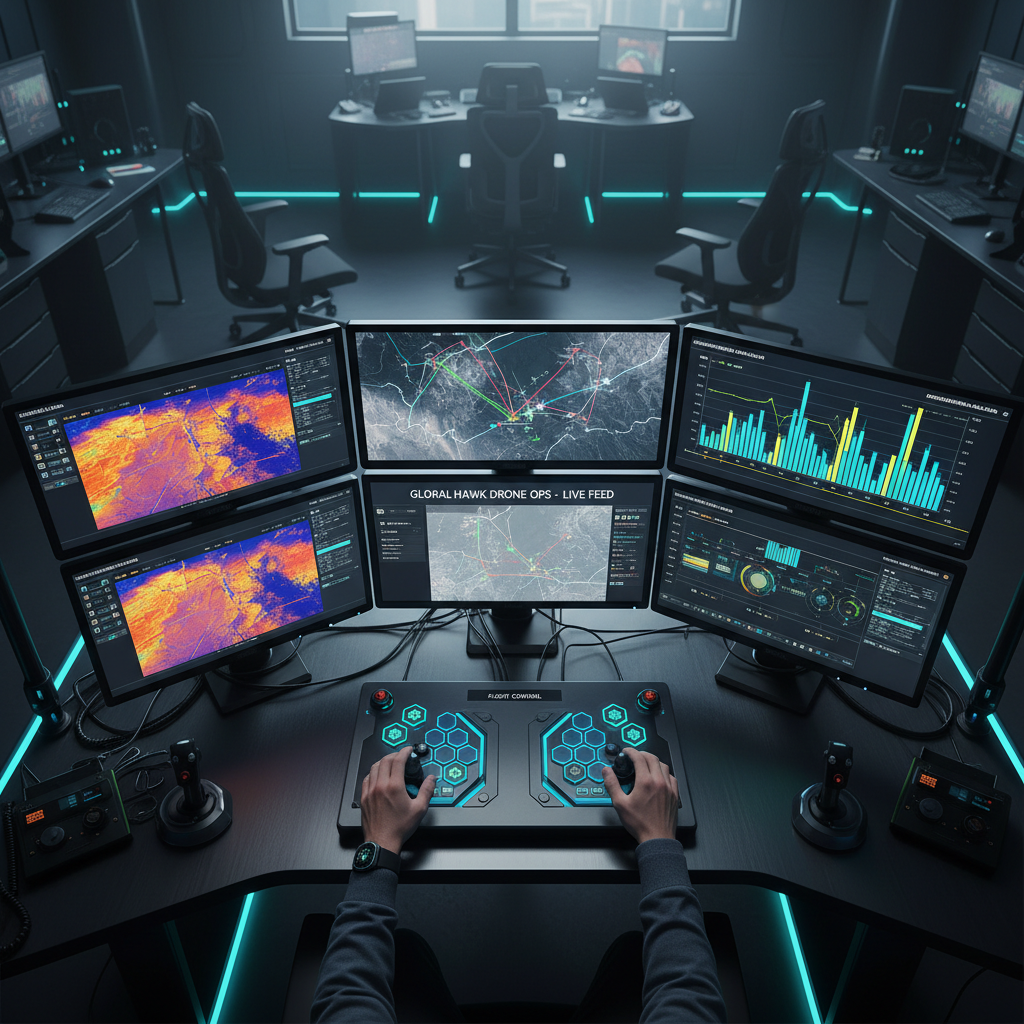
Wind speed is a critical factor in aerial videography. Most consumer drones can handle winds up to a certain limit, but gusts can be unpredictable. It's wise to have a wind gauge on hand to measure conditions on-site. If winds exceed your drone’s capacity, it's best to wait for calmer weather.
Adapting Your Shooting Techniques
In challenging weather, adapting your shooting techniques can help maintain video quality. For instance, flying lower can reduce the impact of wind, while adjusting your camera settings can compensate for low light in overcast or foggy conditions. Practice these techniques in various weather to build your confidence and skills.
Using Post-Production to Enhance Footage
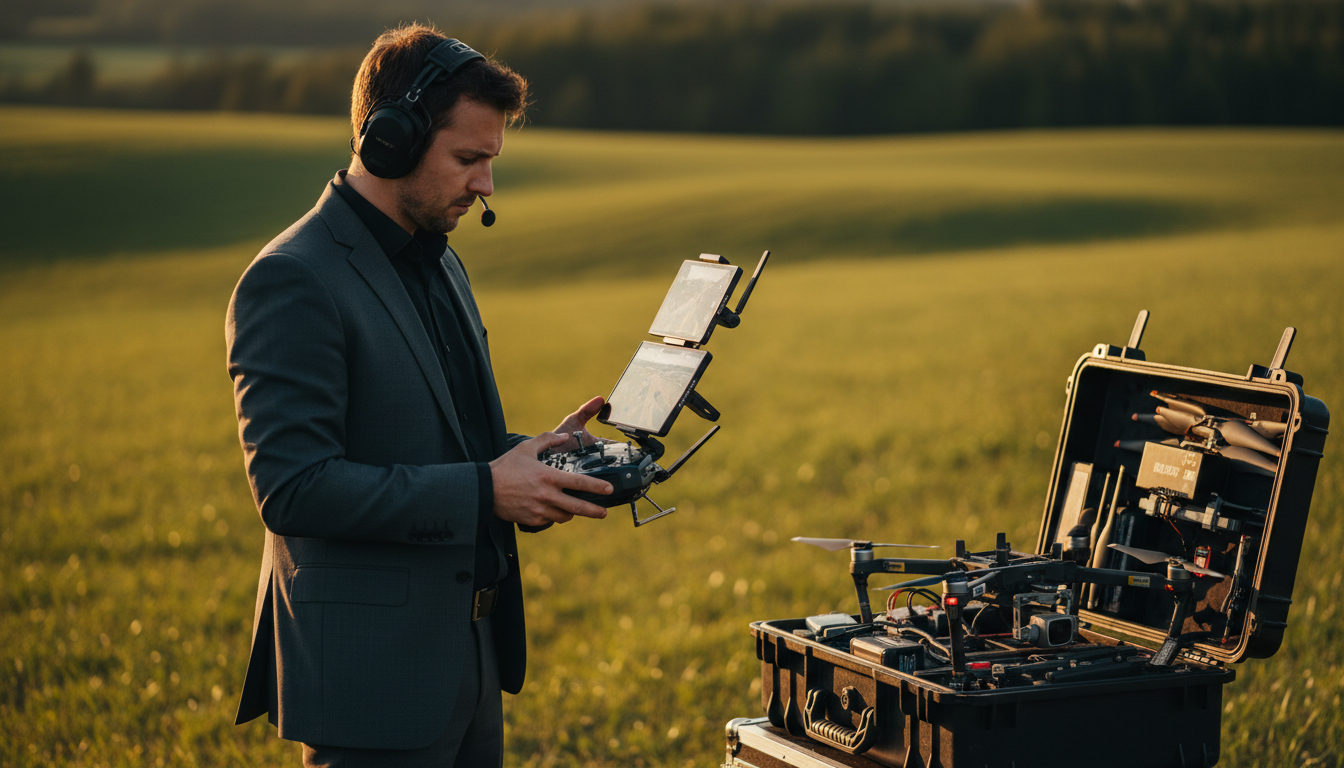
Sometimes, despite your best efforts, the footage may still need some enhancement. Post-production software can be used to stabilize shaky videos, adjust lighting, and remove unwanted elements like rain spots. Learning these skills can turn potentially unusable footage into stunning visuals.
Prioritizing Safety
Safety should always be your top priority. If conditions become too severe, it's crucial to land your drone safely and wait for better weather. Avoid taking unnecessary risks that could endanger your equipment or personal safety.
By following these essential tips, you can effectively tackle the challenges posed by adverse weather, ensuring that your aerial videography remains both safe and visually compelling, regardless of Mother Nature's whims.