
Drone Videography in the UK: Navigating Weather and Regulations


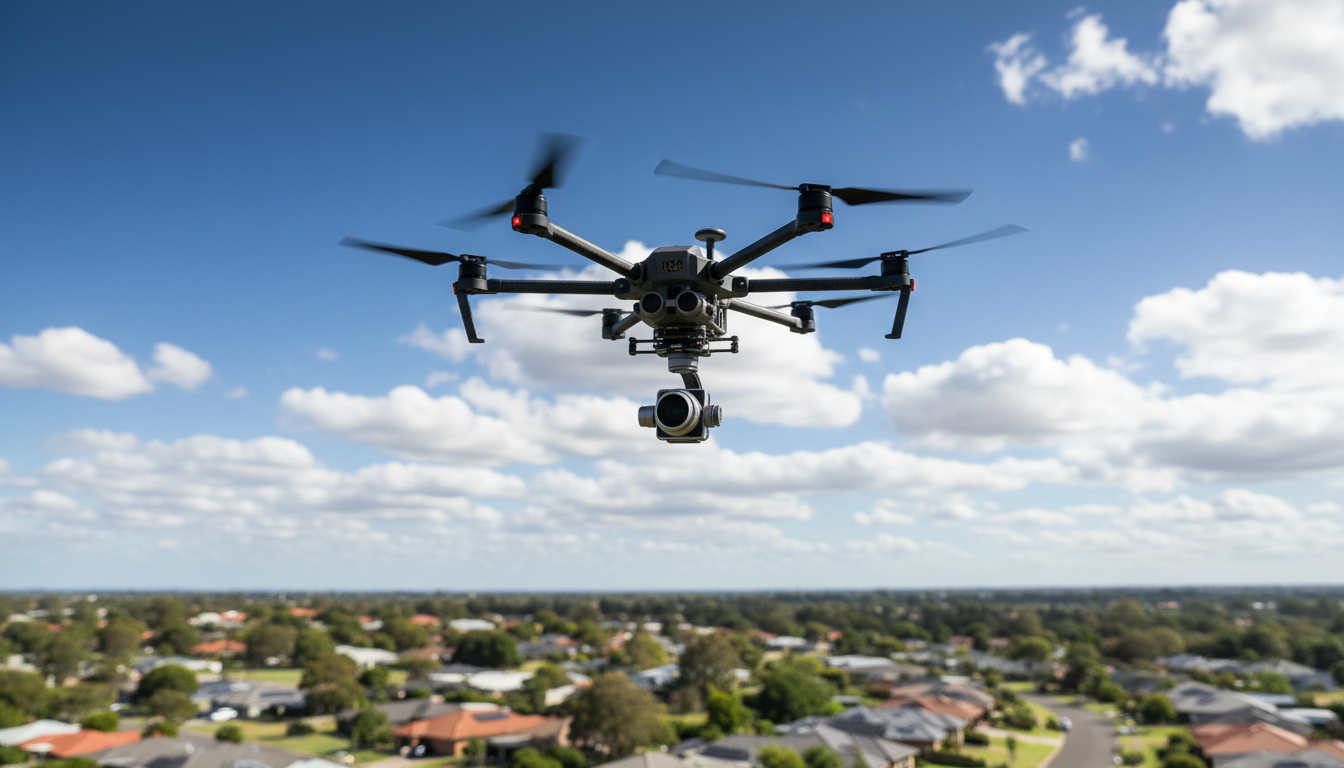
Drone videography has become an increasingly popular tool for capturing stunning aerial footage across the UK. With its ability to provide unique perspectives, it has transformed industries such as real estate, film, and tourism. However, operating a drone in the UK involves more than just flying; it requires an understanding of both weather conditions and regulatory frameworks.
Understanding UK Weather Challenges
The UK is known for its unpredictable weather, which can pose significant challenges to drone operators. Sudden changes in weather conditions can not only affect the quality of the footage but also the safety of the drone.
Wind and Rain Considerations
Wind is a major factor, as it can destabilize a drone mid-flight. Most consumer drones can handle wind speeds up to 20 mph, but it’s crucial to check the manufacturer’s specifications. Rain is another concern, as water can damage the drone's electronics. It is advisable to avoid flying in wet conditions to prevent potential damage.
Utilizing Weather Forecasts
Utilizing weather forecasts is vital for planning successful drone operations. Websites and apps providing detailed weather reports can help operators select the best times to fly. Keeping an eye on temperature changes is also important, as extreme cold or heat can impact battery performance.
Navigating UK Drone Regulations
The UK has specific regulations governing drone use, designed to ensure safety and privacy. Understanding these laws is essential for both hobbyists and professionals.
Registration and Licensing
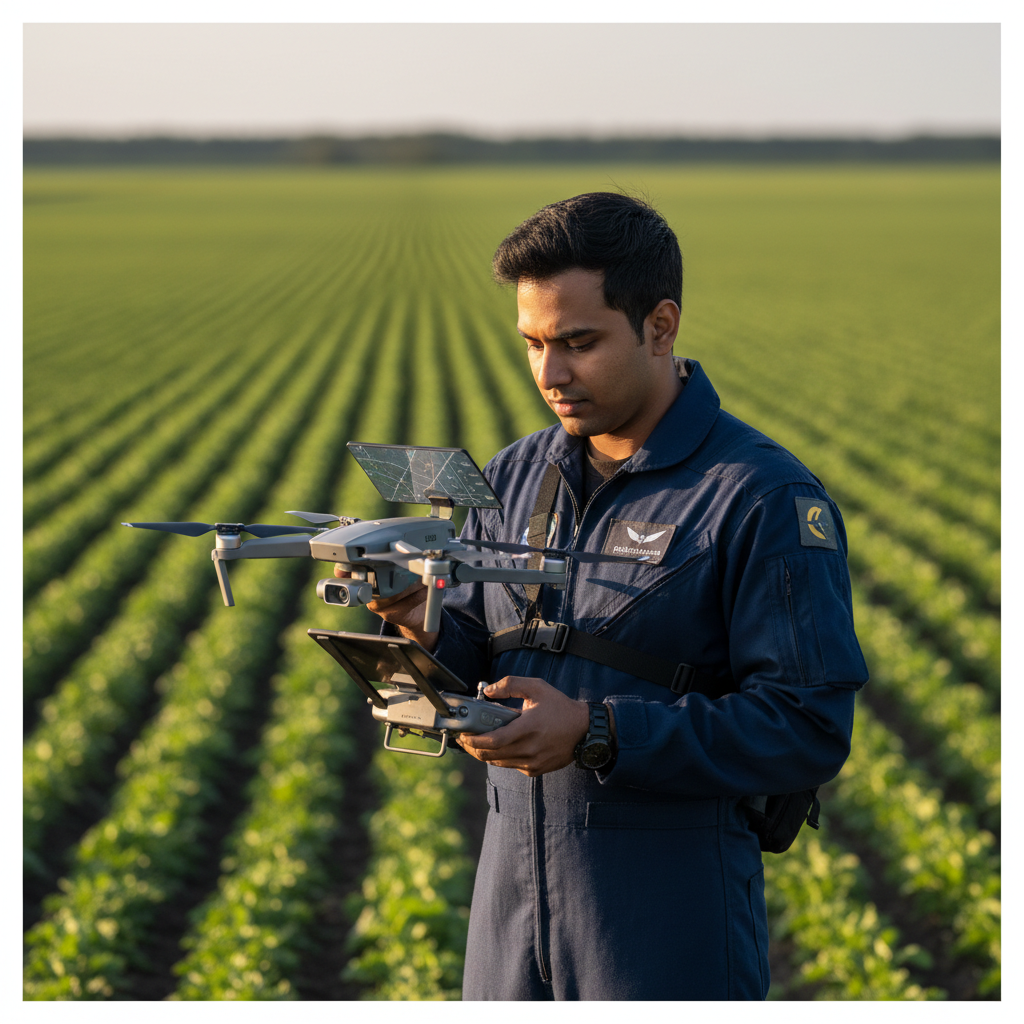
All drones weighing over 250 grams must be registered with the Civil Aviation Authority (CAA). Additionally, operators must pass a theory test to obtain a Flyer ID. This process ensures that operators have the necessary knowledge to fly drones safely and responsibly.
No-Fly Zones
There are several no-fly zones across the UK, particularly around airports and military bases. The CAA provides maps of these restricted areas, and it is crucial for operators to familiarize themselves with these zones to avoid penalties.
Best Practices for Safe Flying
To ensure safe and legal operations, drone operators should adhere to the Drone Code, which includes maintaining line of sight, keeping a safe distance from people and property, and respecting privacy laws.
- Always check the weather forecast before flying.
- Ensure your drone is registered and you have a valid Flyer ID.
- Familiarize yourself with no-fly zones and restricted areas.
By staying informed about weather conditions and adhering to regulations, drone operators in the UK can capture breathtaking footage while ensuring the safety and legality of their flights.