
Drone Filming in the UK: Understanding Regulations and Best Practices


Drone filming has become increasingly popular in the UK, offering stunning aerial views and unique perspectives for various projects. However, before you take to the skies, it's crucial to understand the regulations and best practices governing drone use. This guide will help you navigate the rules and make the most of your drone filming experience.
Understanding UK Drone Regulations
The UK has specific regulations in place to ensure the safe and responsible use of drones. The Civil Aviation Authority (CAA) is the governing body overseeing drone operations. All drone users must adhere to rules that prioritize safety and privacy.
One of the key requirements is registering your drone if it weighs between 250g and 20kg. Operators must also complete an online theory test to obtain a Flyer ID. In addition, drones must not be flown above 400 feet and should always remain within the operator's line of sight.
Airspace Restrictions
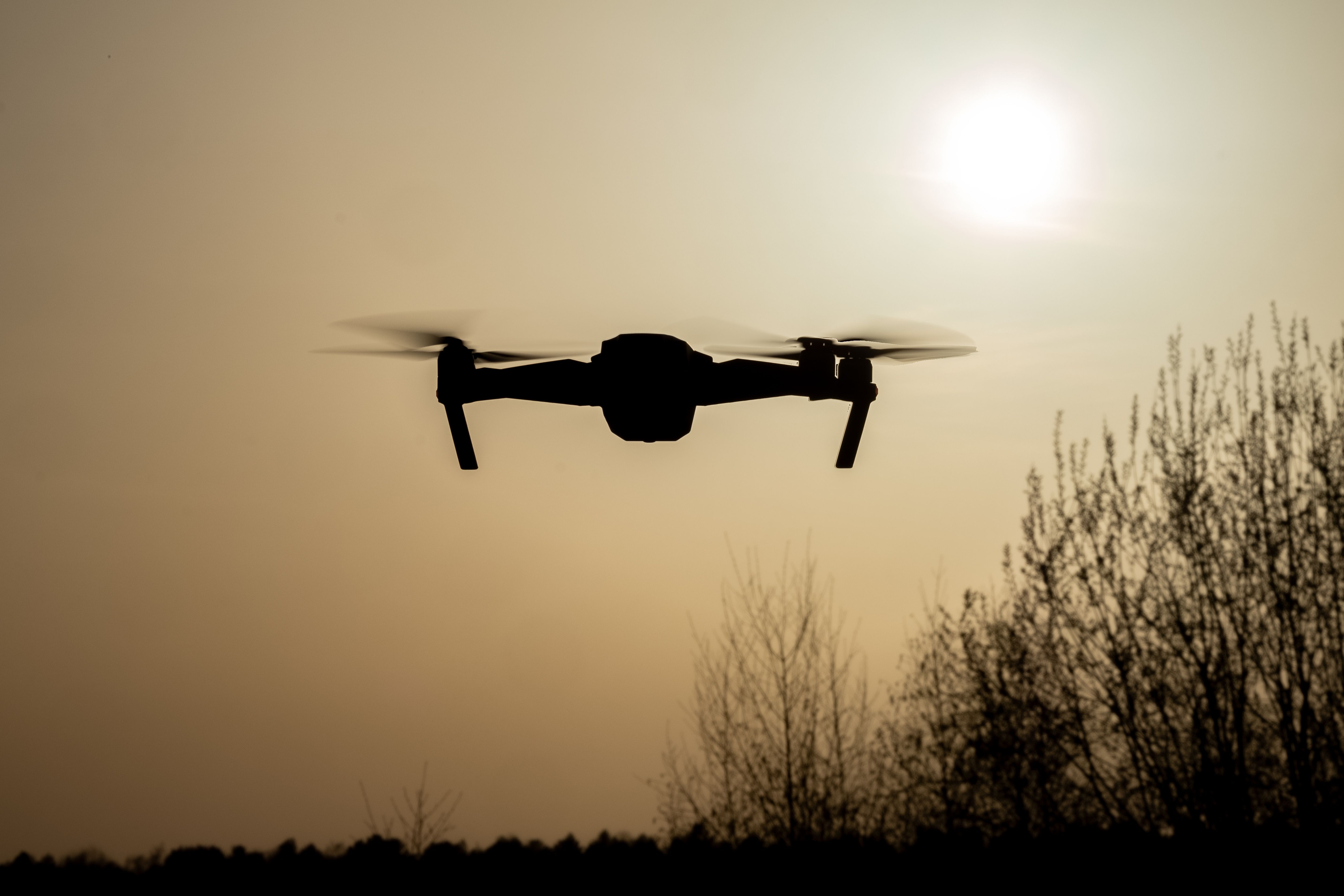
Drone operators need to be aware of airspace restrictions, which can vary depending on the location. Certain areas, such as airports and military zones, have strict no-fly rules. Using tools like drone maps or apps can help you identify restricted zones and plan your flight accordingly.
Best Practices for Drone Filming
Adhering to best practices not only ensures compliance with regulations but also enhances the quality of your footage. Here are some tips to consider:
- Pre-Flight Checks: Always inspect your drone for any damage and ensure the battery is fully charged.
- Weather Conditions: Check the weather forecast, as strong winds and rain can affect drone performance.
- Plan Your Shots: Having a clear plan can save time and help capture the desired angles efficiently.
Filming Techniques
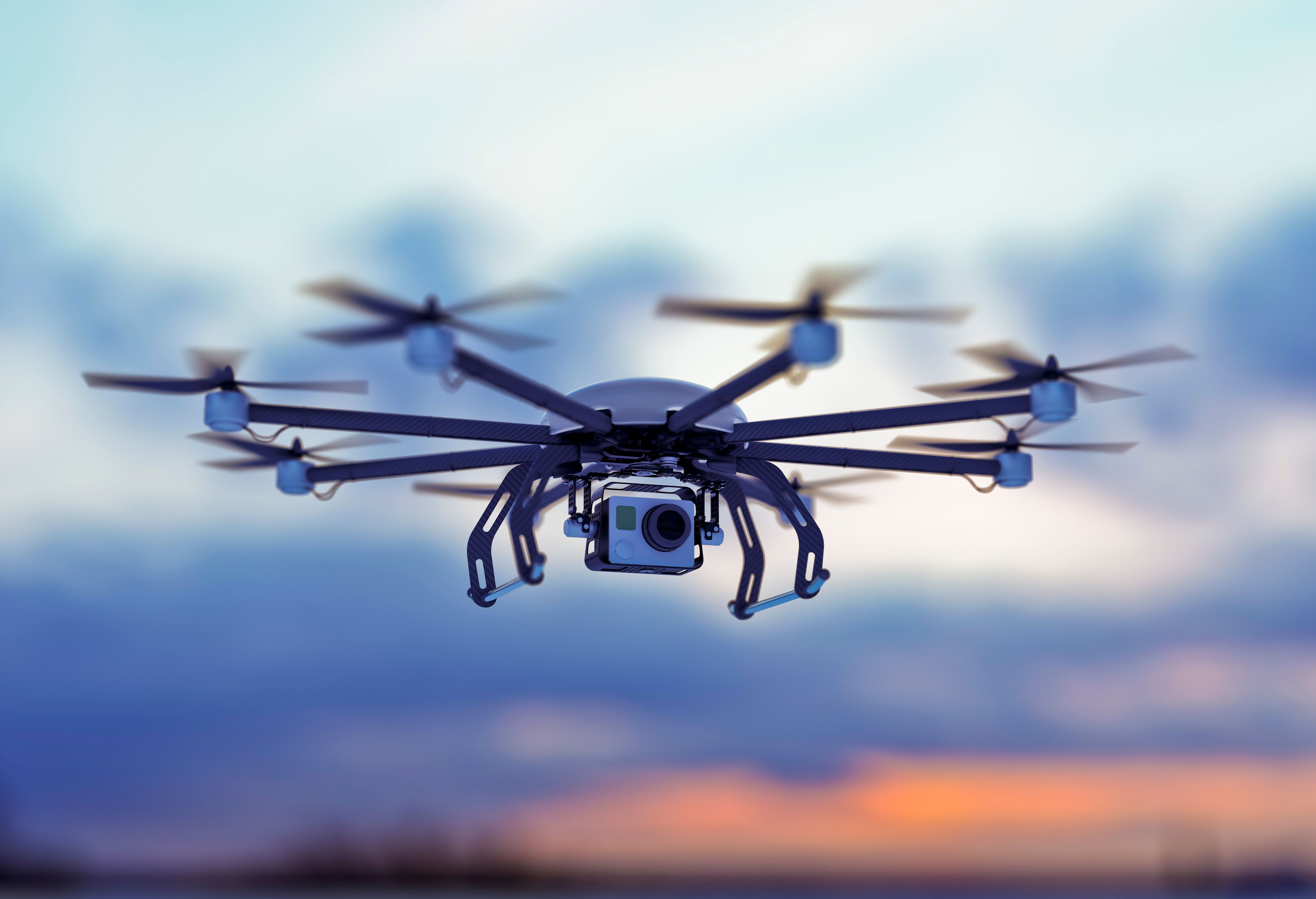
To capture breathtaking footage, embrace various filming techniques. Experiment with different altitudes and angles to find the best compositions. Panning shots and slow reveals can add a cinematic touch to your videos.
Consider using editing software to enhance your footage further. Adjusting colors, stabilizing shaky shots, and adding music can significantly improve the final product.
Privacy and Safety Considerations
Respecting privacy is crucial when filming with drones. Avoid capturing images or videos of individuals without their consent, especially in residential areas. Always be mindful of your surroundings and prioritize safety for both people and property.
Insurance and Permissions
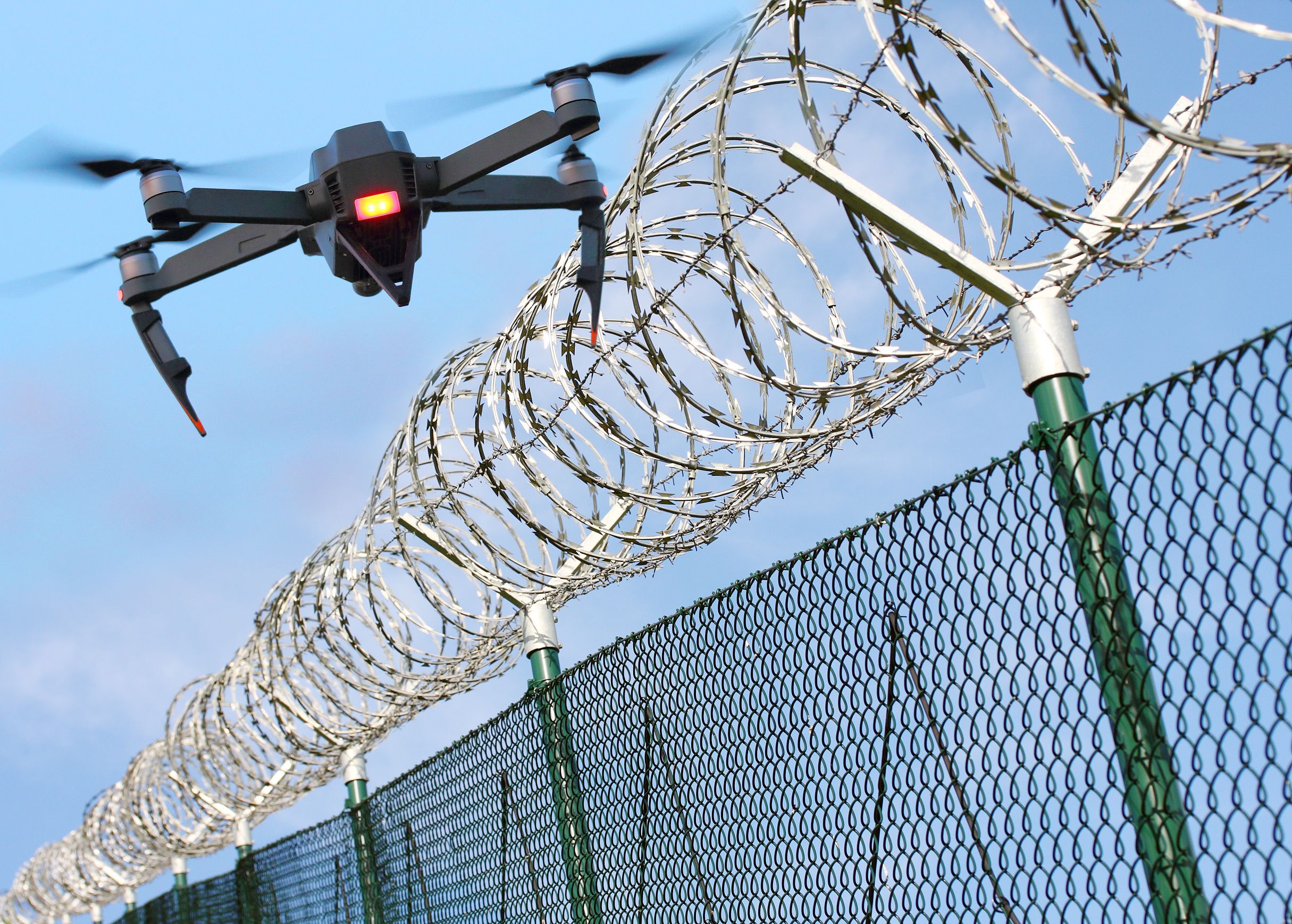
For commercial drone operators, obtaining appropriate insurance is essential. Insurance covers potential damages or accidents that may occur during filming. Additionally, if planning to film on private property, securing permission from the property owner is necessary.
By understanding and adhering to these regulations and best practices, drone filming in the UK can be a rewarding and legally compliant experience. Whether capturing a scenic landscape or producing a promotional video, responsible drone use ensures that your creative endeavors take flight safely and beautifully.