Case Study: Transformative Aerial Footage for Events and Cinematic Projects


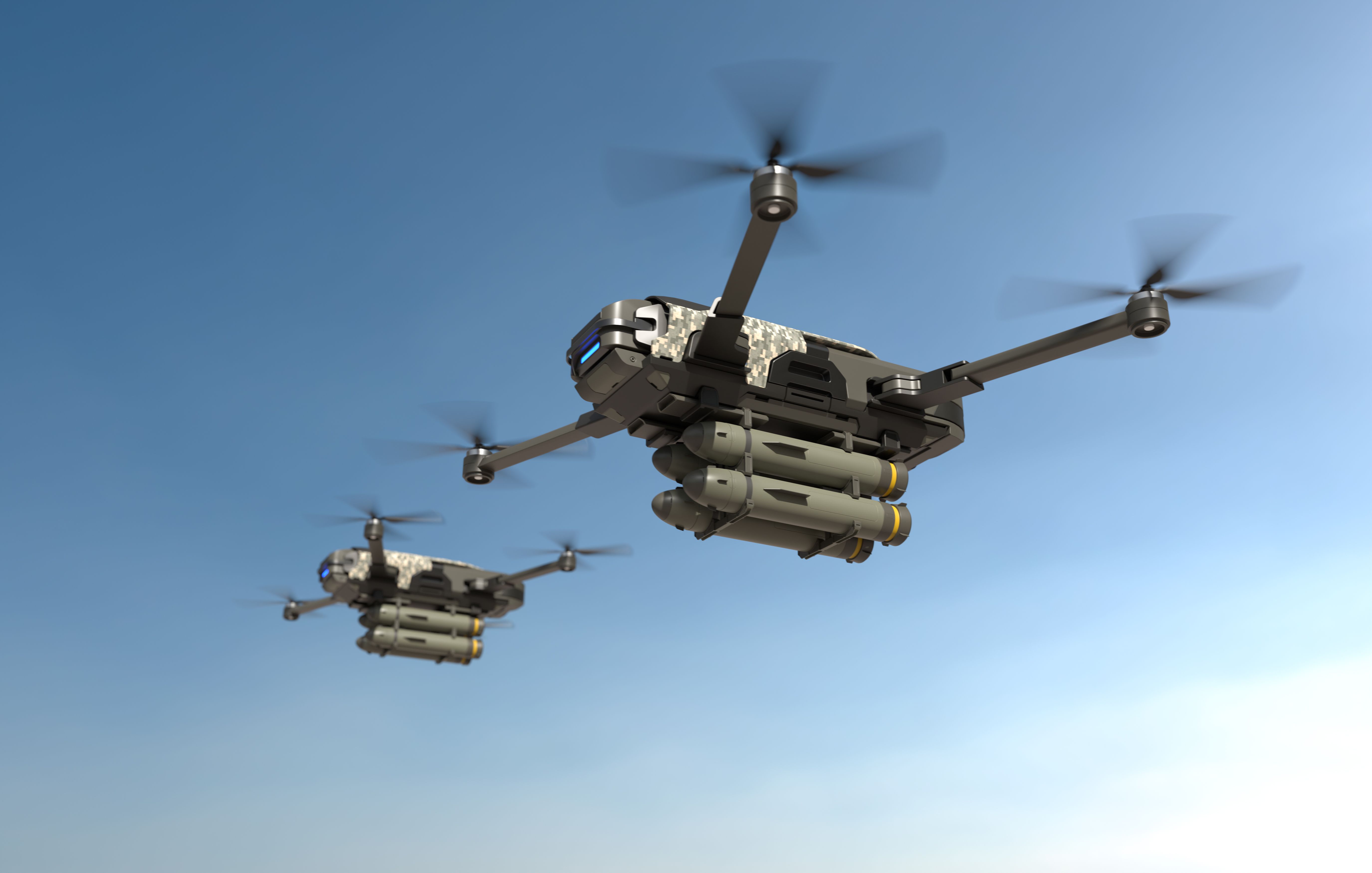
In the world of events and cinematic projects, capturing the perfect shot can make all the difference. Aerial footage has emerged as a transformative tool, offering unique perspectives that elevate the storytelling experience. This case study explores how aerial footage has revolutionized event coverage and cinematic projects.
The Rise of Aerial Footage
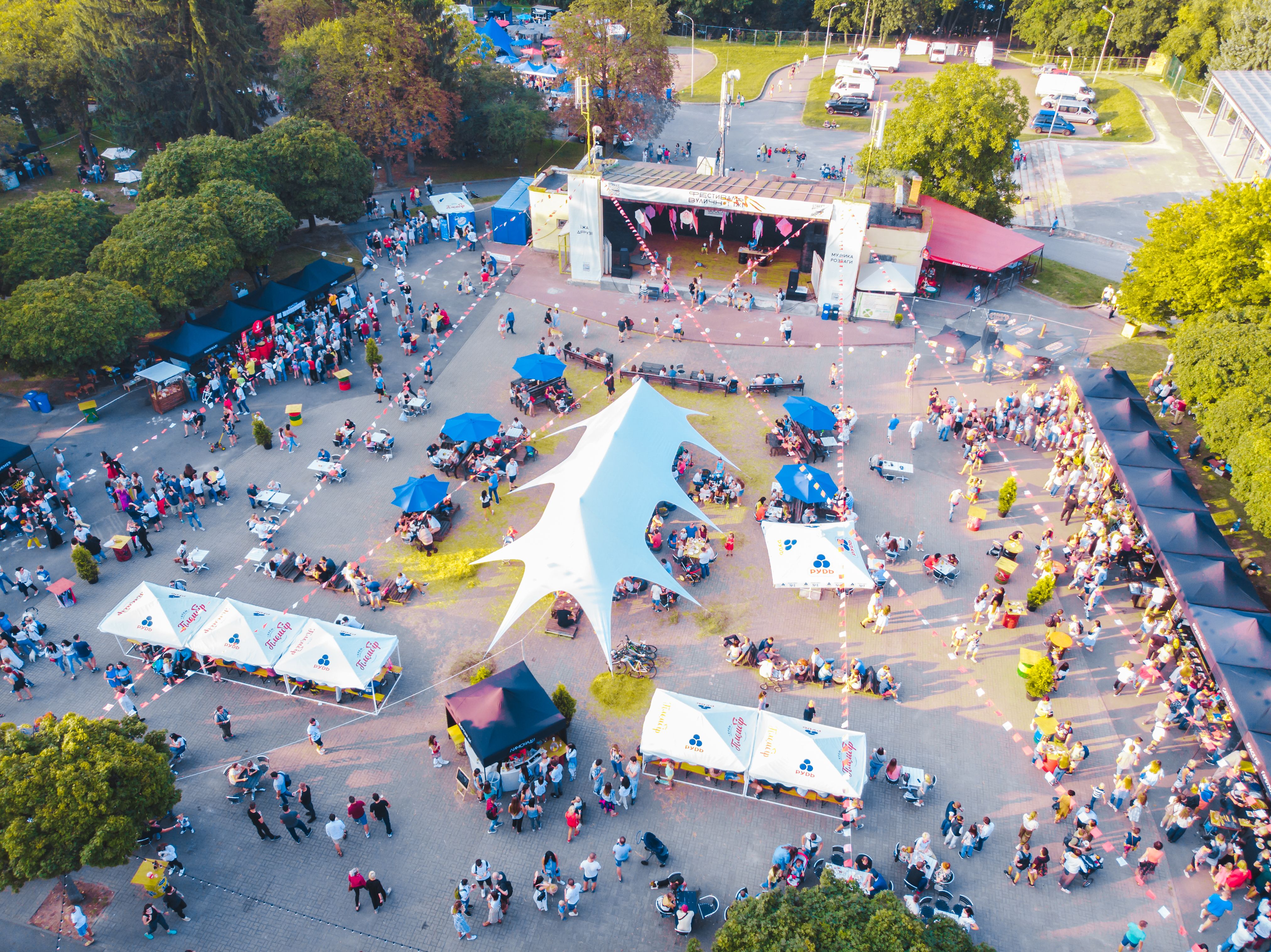
Over the past decade, drones have become increasingly popular, allowing filmmakers and event planners to capture stunning visuals that were previously unattainable. The ability to shoot from the sky provides a bird's-eye view that adds depth and dimension to any project.
Whether it's a sprawling landscape or an intimate event, aerial footage offers a fresh angle that engages and captivates audiences. As technology advances, drones have become more accessible and affordable, making this innovative approach available to a wider range of creators.
Applications in Events
Aerial footage has proven to be a game-changer for event coverage. From weddings to concerts, drones provide a comprehensive view that captures the scale and energy of the occasion. Event planners are now using aerial shots to create promotional material that highlights the grandeur and excitement of their events.

For instance, a wedding video with sweeping aerial shots of the venue and surroundings can deliver a breathtaking narrative that traditional cameras simply cannot achieve. This perspective not only enhances the visual appeal but also provides a memorable keepsake for clients.
Cinematic Storytelling
In the realm of cinema, aerial footage is an invaluable tool for directors and cinematographers. It allows for dynamic storytelling by offering unique angles and movements. Filmmakers can use drones to create dramatic chase sequences, explore vast landscapes, or even add emotional impact to a scene.
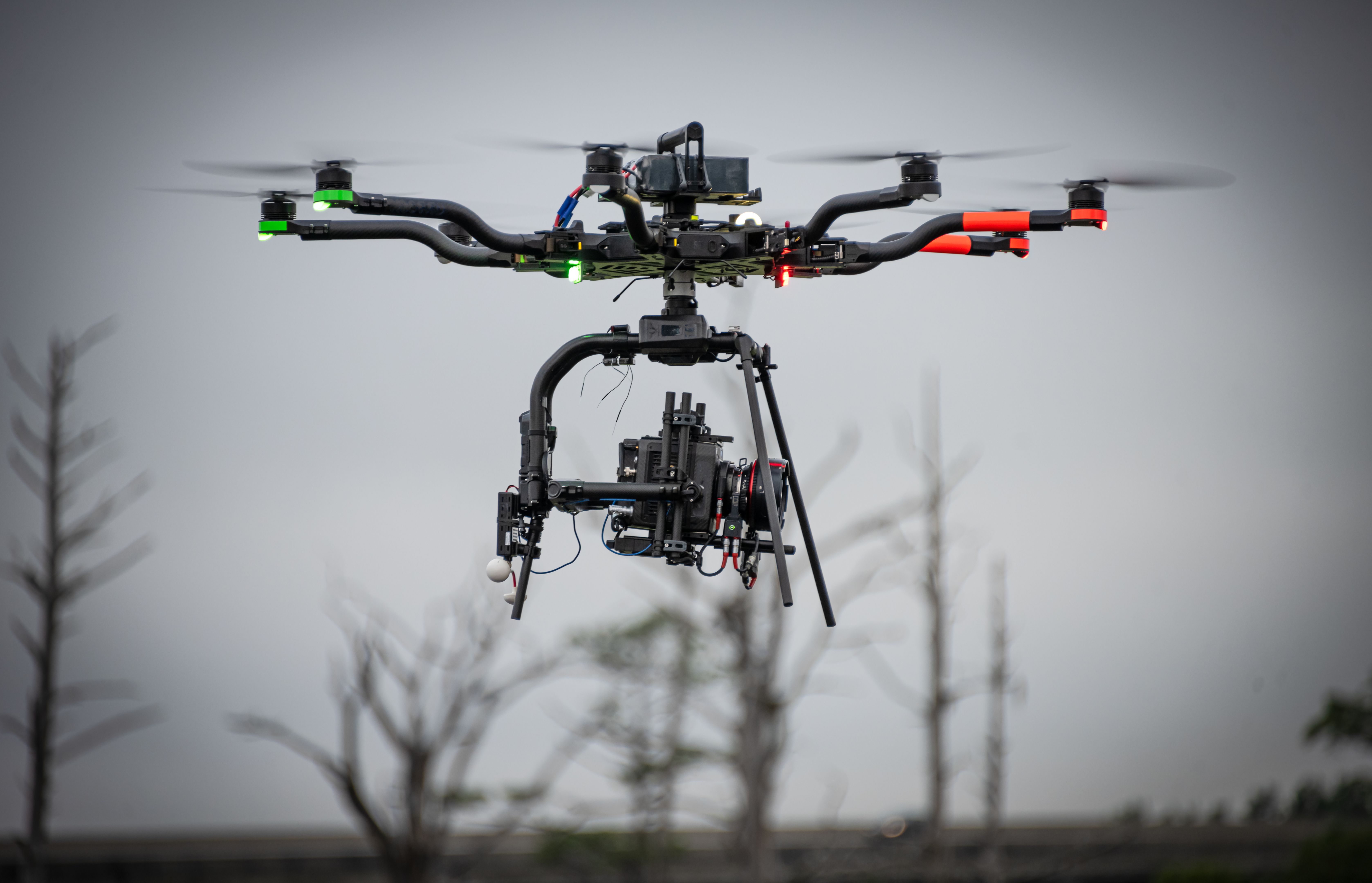
One of the most significant advantages of using drones in filmmaking is their versatility and efficiency. Unlike helicopters, drones can navigate tight spaces and capture shots that would otherwise be impossible, all while being cost-effective.
Challenges and Considerations
While aerial footage offers numerous advantages, it also presents some challenges. Weather conditions, legal regulations, and technical skills are all factors that must be considered. Filmmakers and event planners must ensure compliance with local laws and secure necessary permits before shooting.
Furthermore, mastering drone operation requires skill and practice. Proper training is essential to capture smooth, professional-quality footage without disrupting the event or project.
The Future of Aerial Footage
As technology continues to advance, the potential for aerial footage in events and cinematic projects is limitless. Innovations in drone capabilities, such as improved stability and longer flight times, will further enhance the quality and creativity of aerial shots.
Filmmakers and event planners who embrace this technology are likely to see increased engagement and satisfaction from their audiences. As aerial footage becomes more integral to storytelling, its transformative impact will continue to shape the industry.