
Breaking Down Myths: The Real Impact of Drones on Heritage Site Preservation


Understanding the Role of Drones in Heritage Preservation
The use of drones in heritage site preservation is a topic often surrounded by myths and misconceptions. Some argue that these advanced technologies might pose a threat to fragile structures, while others see them as indispensable tools for conservation. In reality, drones are revolutionizing the way we approach the preservation of our cultural heritage, offering new perspectives and invaluable data.
Drones provide a unique vantage point that was previously inaccessible or difficult to achieve. By capturing high-resolution images and videos, they allow researchers and conservators to assess the condition of heritage sites comprehensively. This capability is especially crucial for sites that are hard to reach or located in hazardous environments.
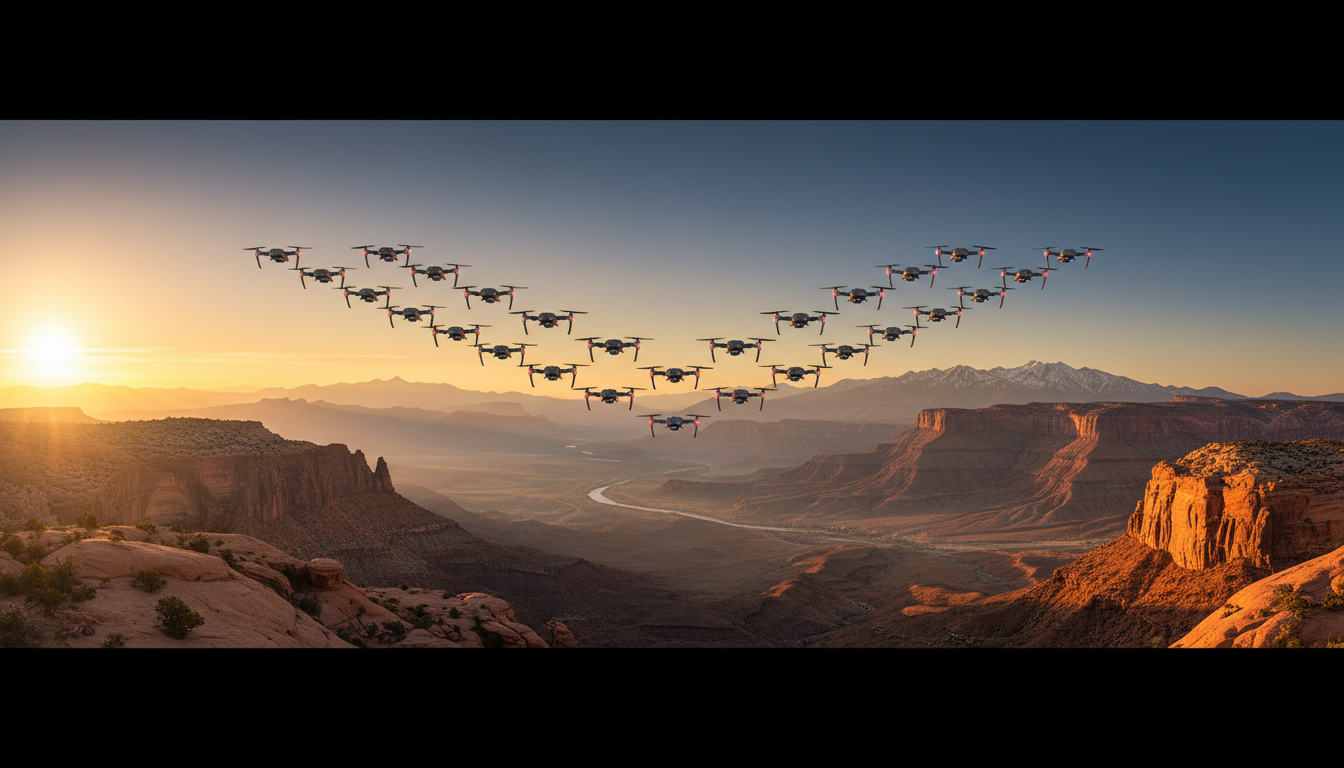
Myth 1: Drones Damage Heritage Sites
One common myth is that drones pose a risk to the structural integrity of heritage sites. However, modern drones are designed to operate safely around sensitive areas. Equipped with advanced navigation systems, they can hover and maneuver with precision, minimizing any potential impact on the surroundings.
Moreover, drones are often used to monitor and document sites rather than physically interact with them. This remote capability reduces the need for human presence in delicate areas, further safeguarding the integrity of these historical treasures.
Myth 2: Drones Are Merely a Gimmick
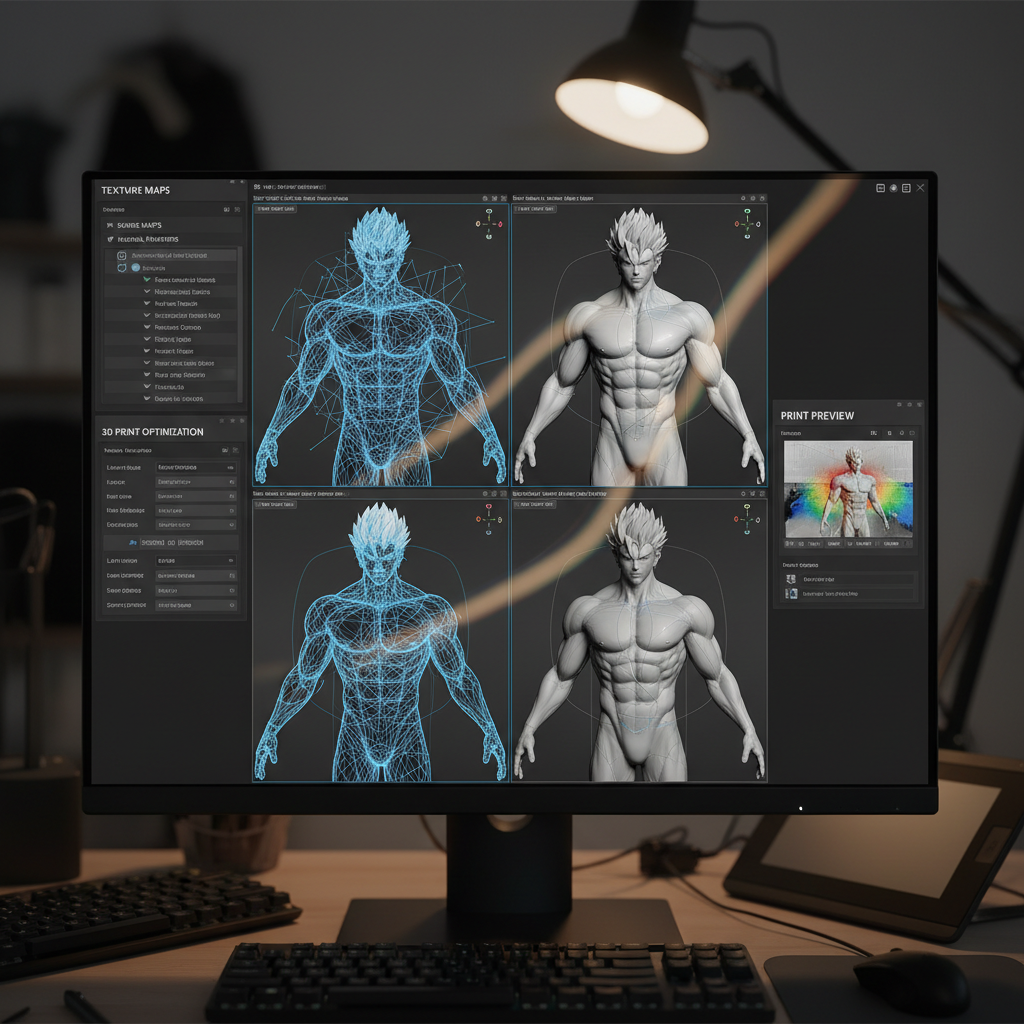
Some skeptics view drones as nothing more than a technological fad with little practical application in heritage preservation. Contrary to this belief, drones are becoming essential tools in the field. They enable the creation of detailed 3D models and digital reconstructions, which are invaluable for analyzing and preserving sites over time.
Drones also play a critical role in emergency response and damage assessment following natural disasters or acts of vandalism. Rapid deployment allows for immediate evaluation and documentation, aiding in quick decision-making and action.
The Real Benefits of Drones
The advantages of using drones in heritage preservation go beyond mere documentation. Here are some of the key benefits:
- Cost Efficiency: Drones reduce the need for expensive scaffolding and manual inspections.
- Time Savings: Quick deployment and data collection speed up research and conservation efforts.
- Enhanced Monitoring: Regular drone surveys enable continuous monitoring of site conditions.
By providing a more comprehensive understanding of site conditions, drones enable proactive conservation efforts, helping to prevent deterioration before it becomes irreversible.

Looking Ahead: The Future of Drones in Preservation
As technology continues to advance, the role of drones in heritage preservation is likely to expand further. Innovations such as artificial intelligence and machine learning are being integrated with drone technology to analyze data more efficiently and predict potential risks to heritage sites.
The collaboration between technology and conservation professionals is paving the way for more effective preservation strategies. By embracing these innovations, we can ensure that the world's cultural heritage is preserved for future generations to appreciate and learn from.